OpenAI's answer grades its own homework
OpenAI launched ChatGPT for Teens this week, and every teen gets moved in automatically. The protections are real, the timing is no coincidence, and the same day brought ads for Europe. On seatbelts designed by the dealership, and who still has to love the passenger.

Three weeks ago I wrote about Europe's answer to kids and AI. Two weeks ago, America's. This week the company everyone was actually talking about decided to answer for itself.
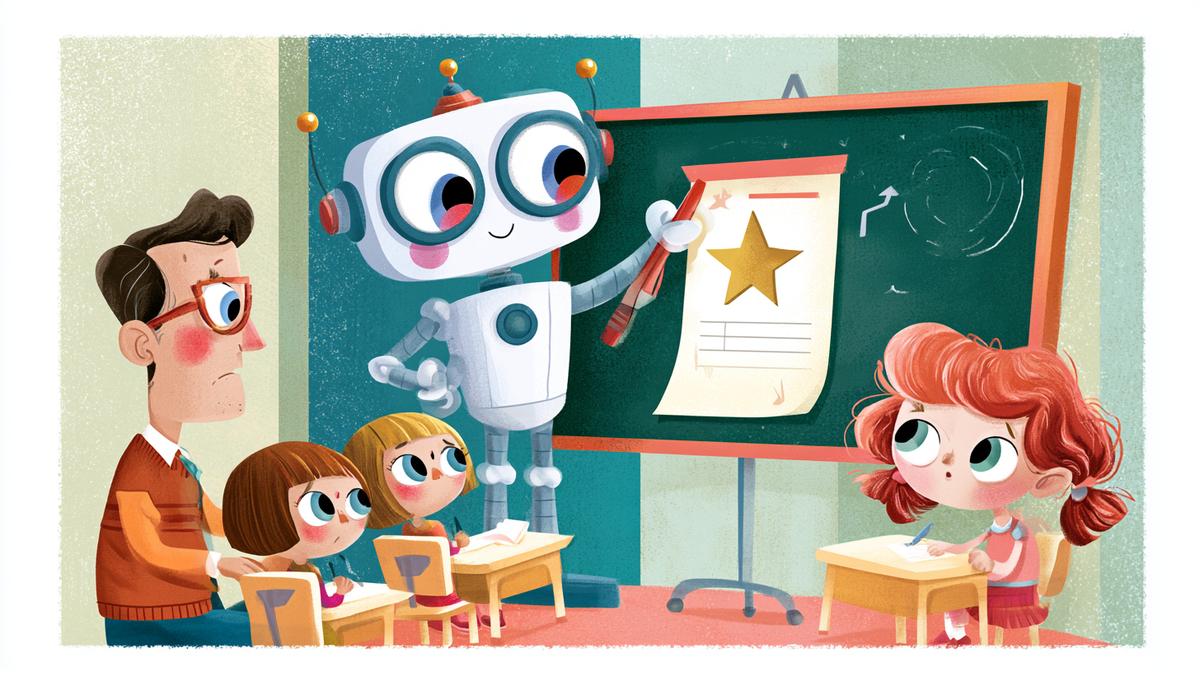
On Monday, OpenAI launched ChatGPT for Teens. If you say you're between 13 and 17, or if their age-prediction system simply estimates you're under 18, you get moved into a separate experience with stronger guardrails, study tools, and parental controls. No opt-in, no permission slip. The system decides, and suddenly my daughters are using a different product than I am.
My own daughters are not heavy ChatGPT users, at least not that I've seen, and I'm aware that sentence carries a quiet "that I've seen" doing a lot of work. But that's exactly what struck me about this launch: whether your teen uses it daily or barely at all, a company in San Francisco just decided which version of the conversation they get, without any parent doing anything. The rules of a tool my kids will almost certainly grow into were rewritten this week, and nobody asked us. That's worth sitting with, whatever you think of the rules themselves.
What they actually built
Credit where it's due: the feature list reads like someone finally handed the safety team a budget. Teen accounts get stronger protections around self-harm, eating disorders, violence, dangerous activities, and sexually explicit content. The chatbot is barred from using romantic language or terms of endearment, and it's explicitly instructed not to suggest it has feelings or consciousness. There are break reminders, warnings before a teen uploads a sensitive photo, and parental controls with Quiet Hours and safety notifications for high-risk situations.
The education side is arguably more interesting. Study Mode replaces answers with guiding questions and step-by-step scaffolding, and a new feature called responsible homework reminders detects when a teen appears to be shortcutting an assignment and nudges them back toward actually learning something. Parents and teens can set Study Hours, times when Study Mode is on by default.
If you've been reading this series, you'll recognise the shape of this list. It's nearly everything critics, researchers, and grieving parents have been demanding for years. Which brings us to the timing.
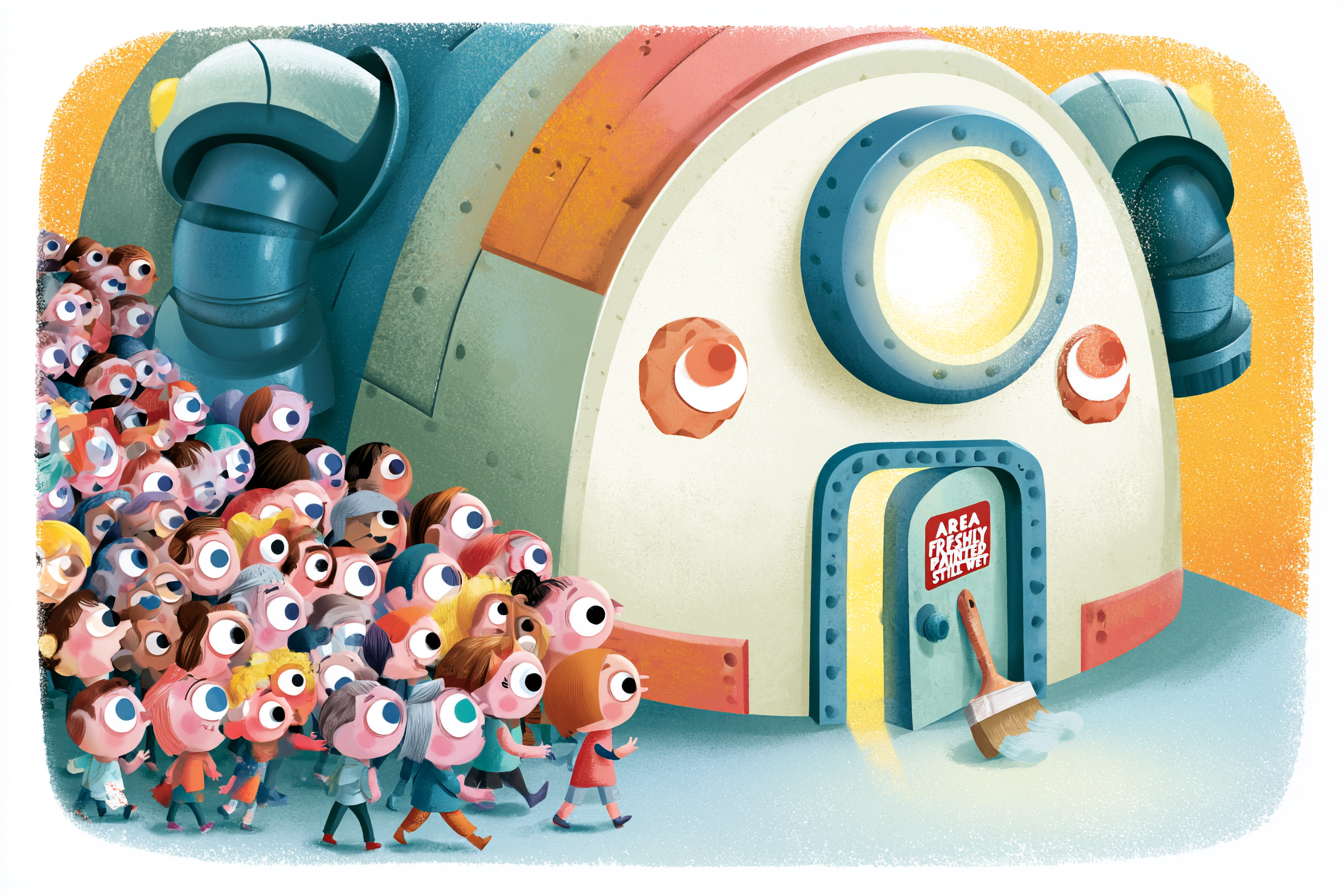
"A company that spent four years scaling to 900 million weekly users has now discovered that some of them are children."
What the numbers really say
ChatGPT launched in late 2022. According to TechCrunch, it reached 900 million weekly users before meaningful teen-specific safeguards arrived. Common Sense Media's census from June found that 86 percent of American kids aged 9 to 17 already use AI, and that more than 4 in 10 say no parent or guardian has ever talked with them about AI safety. The teens this product is designed for are not future users being welcomed carefully into a new technology. They've been here the whole time, unsupervised, on the adult version.
The launch also didn't happen in a vacuum. OpenAI is facing lawsuits over what its chatbot allegedly said to vulnerable teenagers, the US Senate advanced a bill about parental access to AI conversations two weeks ago, and Europe's AI Act obligations kicked in on August 2. When a company ships its safety product into that exact headwind, you're allowed to notice the wind.
And then there's the detail I can't stop smiling at, in the way you smile at things that aren't funny: on the very same day OpenAI introduced ChatGPT for Teens, it also announced that ChatGPT Ads are expanding across Europe. Safety for the children, advertising for the parents. The press releases went out hours apart.
Before we panic
Here's the thing though, and regular readers know where this is going: panic is its own kind of laziness.
Because this is, on the substance, good news. Default-on protections are exactly what child-safety researchers have been asking for, since defaults are what actually protect kids whose parents never open a settings screen. Study Mode is built on real learning science, guiding questions and retrieval practice instead of answer vending. A chatbot that refuses to whisper sweet nothings to a fifteen-year-old is an improvement on one that would. And when my daughters do start using it in earnest, which I assume is a matter of when rather than if, I'd much rather they land in this version than in the adult one.
The honest position is that both things are true at once. This is a better product than last week's, shipped by a company with every commercial reason to appear responsible right now. TechCrunch asked the obvious question: how hard will it be for teens to work around it? Teenagers have been outsmarting parental controls since parental controls existed, and an age-prediction system is a wall that every seventeen-year-old has an incentive to climb. We'll find out how tall it is.
"The most important safety feature still doesn't ship with the product. It sits at the dinner table."
Where this gets uncomfortable for me
I'd love to review this launch from a comfortable distance, but I don't get to. I work with AI every day. I build with these tools, I pay these companies, and my enthusiasm for the technology is a standing invitation for it to arrive in my daughters' lives sooner rather than later.
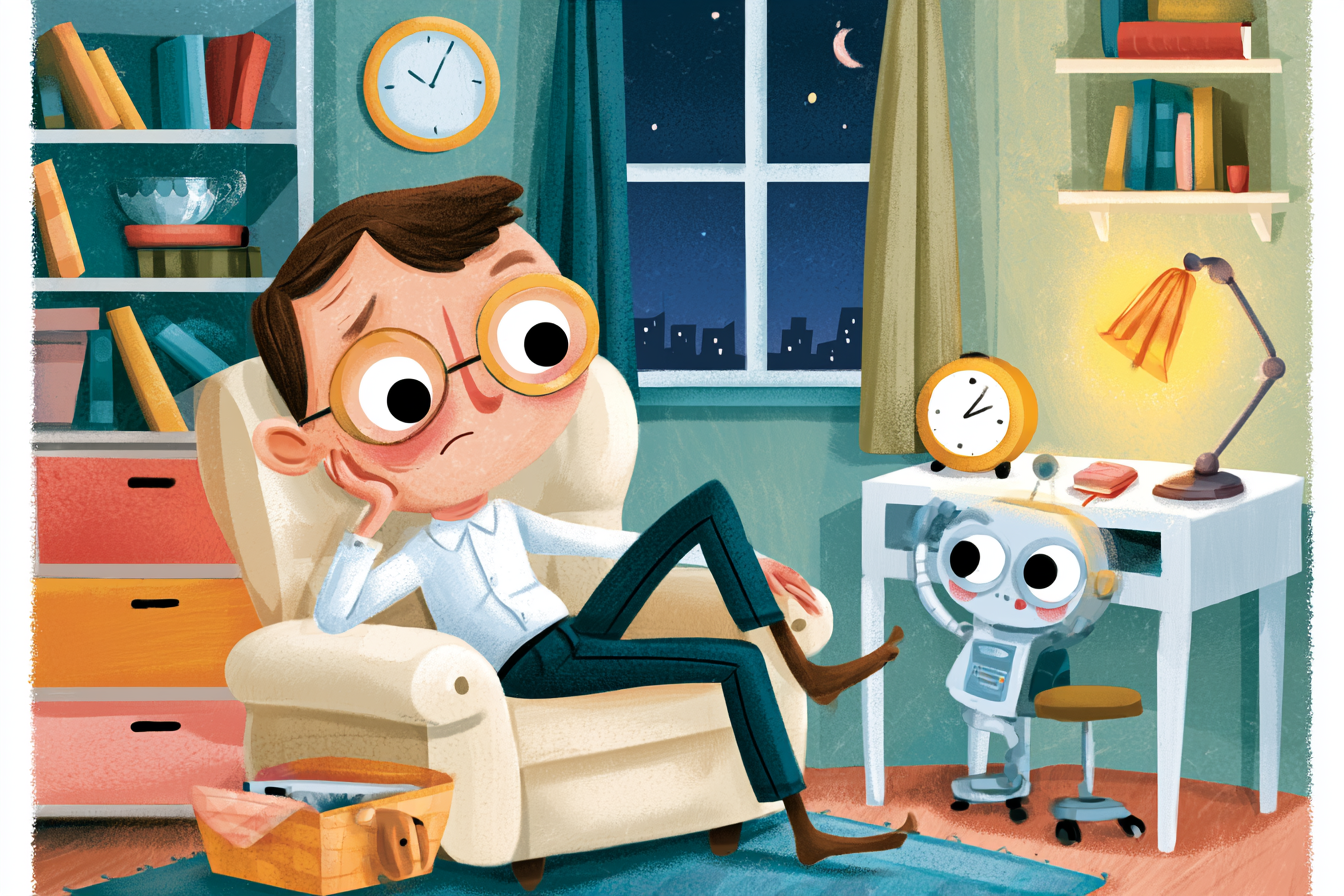
And there's a smaller, more personal discomfort. Reading through the feature list, I caught myself feeling relieved, and not the good kind of relieved. The kind where someone else just took over a job you knew was yours. Study Hours, break reminders, notifications when something's wrong: that's a machine doing, at scale, the noticing I'm supposed to do at home. Meanwhile I write a weekly series about kids and AI and couldn't tell you with certainty which AI apps are on my own daughters' phones right now. The company built a substitute for my attention, and my first instinct was gratitude. That instinct deserves more suspicion than the product does.
What we're trying at home
As always: a direction, not a system.
Find out what's actually on their phones. Not as an inspection, but as a conversation opener. "Do you ever use ChatGPT, and did it change this week?" is a better question than "what do you talk to it about," because it starts with the company's behavior instead of theirs. I expect the answer to be "barely," and I'd like to stop assuming that.
Do homework in Study Mode together, once. If my daughters are going to meet this tool anyway, I'd rather their first real session be at the kitchen table than alone in their room. I want to see whether the guiding questions help or just irritate, and I want their verdict, not OpenAI's marketing copy.
Ask the dinner-table question this whole trilogy has been building to. Europe answered with rules, America answered with a key to the diary, OpenAI answered with a product. So who should decide what's safe for you: the government, the company, or the people who love you? I have three daughters. I expect three different answers, and I expect all three to be better than mine.
The line I'm keeping
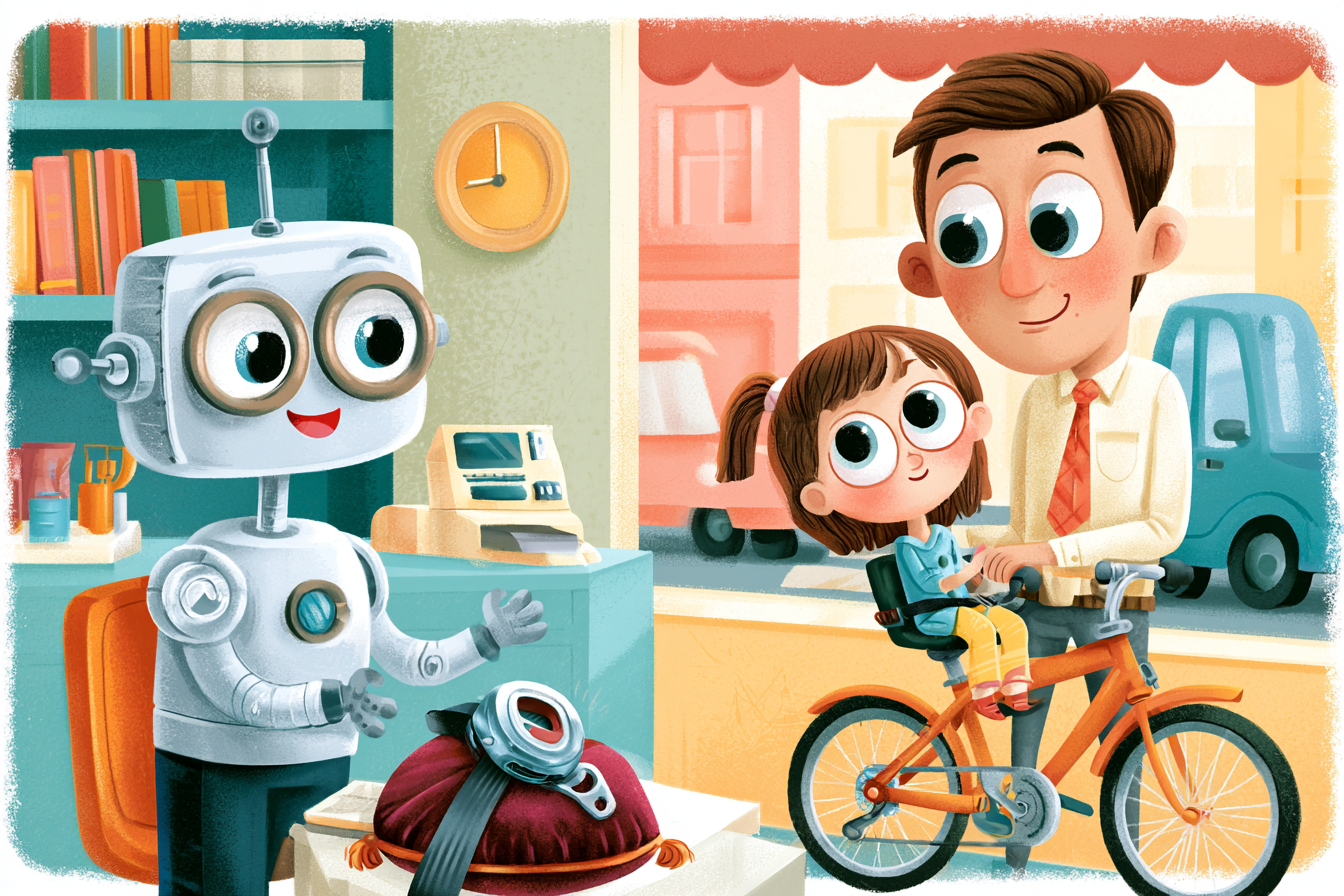
The seatbelt is real. I've read the spec, and it's a better seatbelt than I expected from a company that spent four years insisting the car was fine. But a seatbelt designed by the dealership, announced during the lawsuit, on the same day they started selling ads in the showroom, is not the same thing as someone who loves the passenger.
OpenAI built a safer ChatGPT for my daughters. Raising them was never on the roadmap.
Sources
- OpenAI — Introducing ChatGPT for Teens (August 18, 2026)
- TechCrunch — OpenAI launches a safer ChatGPT for teens — years after teens started using it (August 18, 2026)
- OpenAI — ChatGPT Ads expands across Europe (August 18, 2026)
- Common Sense Media — Census on AI Use by Tweens and Teens (June 2026)
- TechCrunch — ChatGPT reaches 900M weekly active users (February 2026)
Raising kids in the AI age
This is part of the "Raising Kids in the AI Age" series. I'm a dad with three daughters, not an expert. I'm figuring this out as I go — and writing about it so you don't have to start from zero.
 Daniel Plomp
In this series
- The question we should stop asking our kids
- Your daughter's photo is one app away from being fake-naked
- Preparing children for a post-scarcity world
- Your kid trusts ChatGPT more than Google. That's a problem
- The AI conversations your kids are already having (And how to join them at dinner)
- Why banning ChatGPT from schools backfires
- What is bias in AI? A parent's guide to explaining fairness in algorithms
- AI Slop is destroying your kid's brain (and YouTube won't stop it)
- While you worried about screen time, your teen found something worse
- The 22% therapist
- Europe's answer walks into your kid's school on August 2
- The ad that pretends to be your friend
- Learn to think before you learn to prompt
- The talk we're not having
- The friend who never goes on holiday
- The answer machine your kid can't turn off
- The eleven-point gap
- America's answer comes with a key to your kid's diary
- OpenAI's answer grades its own homework ← You are here