Out of office
As you read this, I am on a campsite and the agents are not. A report from the middle of an experiment, ending exactly where you would want it to: before the results.

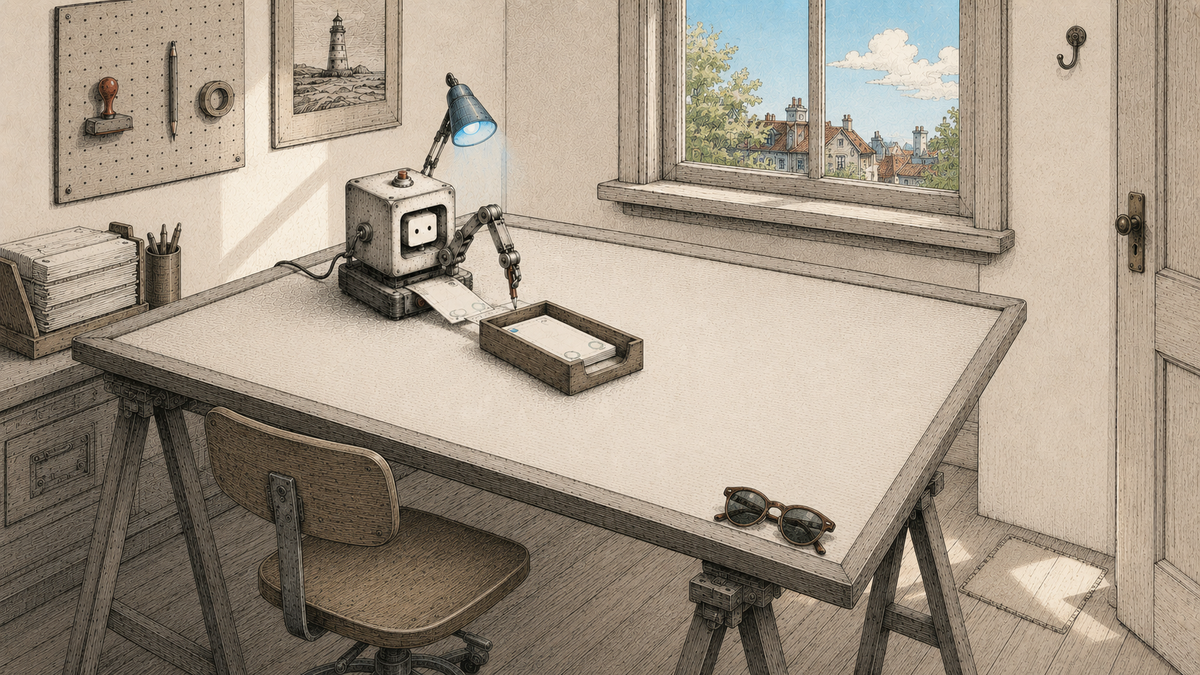
The experiment I did not entirely volunteer for
Every summer the same thing happens to people who run their own business: the out-of-office goes on, and the work does not stop, it just stops being answered. This year I am running a more interesting version of that experiment, and I am running it right now. As this post goes out, I am somewhere with better weather, and part of my company genuinely does not care.
The guinea pig is a product I am building called Social Fabrique: a tool that writes social media posts for different clients, each according to their own brand book. There is a pleasing circularity in an AI-built tool that produces AI-written posts, which I have decided not to examine too closely. The relevant part for this story is how it is being built. The entire brainstorm happened with AI, the specs came out of those sessions, and the whole product now lives as user stories in Linear. There is no document somewhere that knows more than the backlog does. The backlog is the product, waiting to happen.
The plan, on paper
Before leaving I did something that would have sounded reckless in part one of this series and by now just sounds like a Tuesday: I took two entire epics out of To Do and handed them to the agent. Not a hand-picked issue with a label, but a whole run of stories, to be worked through in order while I am away.
The machinery for that is not new, it is just Linear used the way Linear was always meant to be used. Stories that depend on other stories are marked as blocked, so the agent takes things in an order that makes sense. There are loops that keep nudging each issue towards resolution, and when one genuinely will not land, its pull request simply stays open while the standing instruction tells the agent to route around it and keep the rest moving. One stuck story is a note in the margin, not a stopped assembly line.
And when something truly cannot proceed without me, the system does the one thing I allowed it to do on holiday: it pings me, through Linear or GitHub, saying my attention is required. I answer in a comment, the way any colleague would, and the process picks itself back up. My out-of-office reply says I have limited access to email. It is more honest than it knows: the only channel through which my company can reach me on a campsite is a comment box, and I have chosen to find that reassuring.
One stuck story is a note in the margin, not a stopped assembly line.
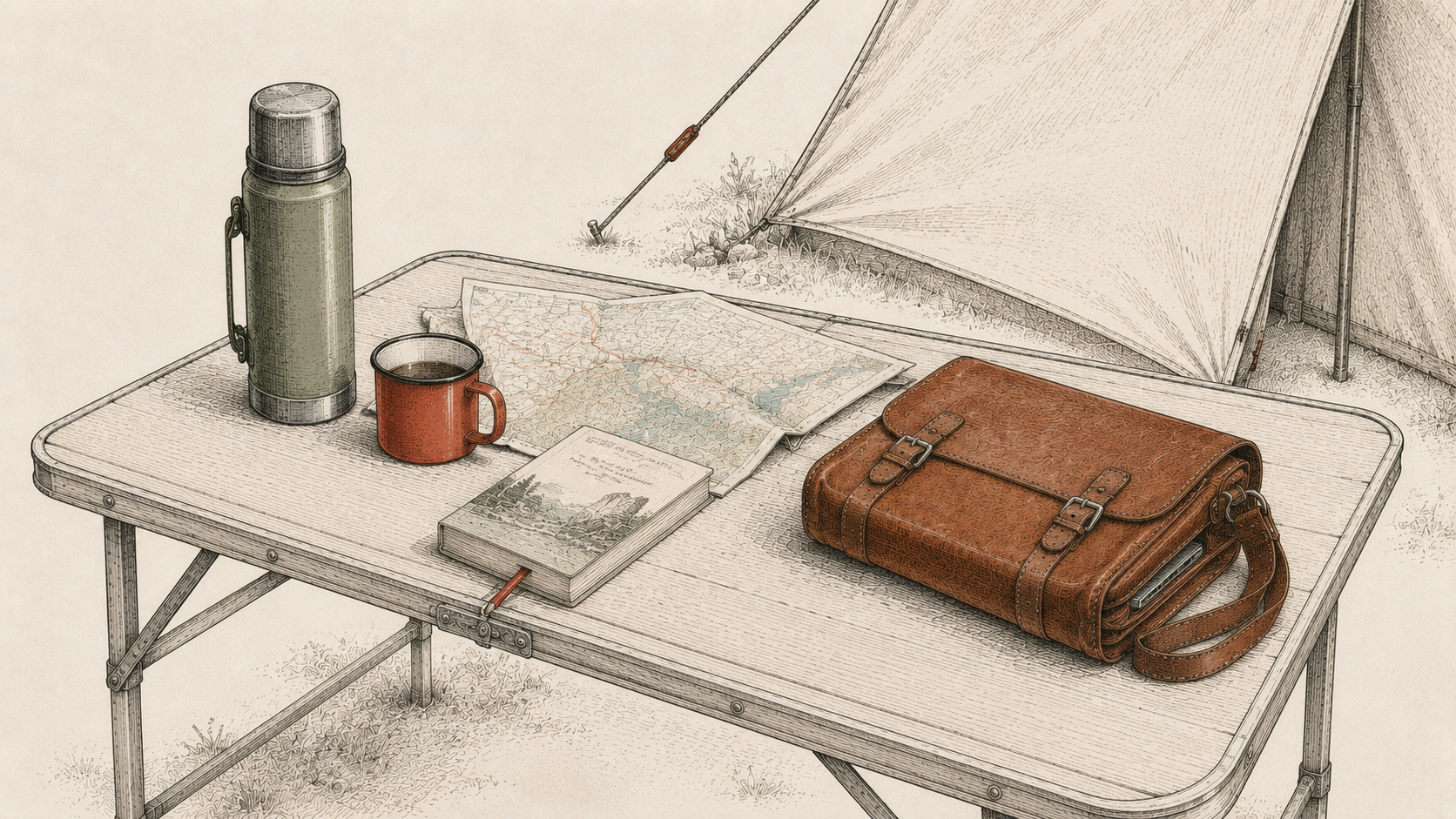
Live from the campsite
Here is the part where this series breaks its own habit. Every post so far was written after the fact, receipts in hand. This one goes out mid-experiment, and I honestly do not know how it is going. Perhaps both epics are quietly turning into pull requests. Perhaps the very first story hit something my spec never saw coming and half the board is politely routing around the wreckage. Perhaps my phone has already buzzed with the one notification I allowed through, while I was explaining to my family that no, this is different from checking work email, an argument I am told I did not win.
Whatever it turns out to be, it goes in the next post, numbers and all. Consider this the first cheque this series has written before counting the money. That is not a habit I intend to keep, which is precisely why the next post has to be the receipts.
Every post so far was written with receipts in hand. This one goes out mid-experiment.
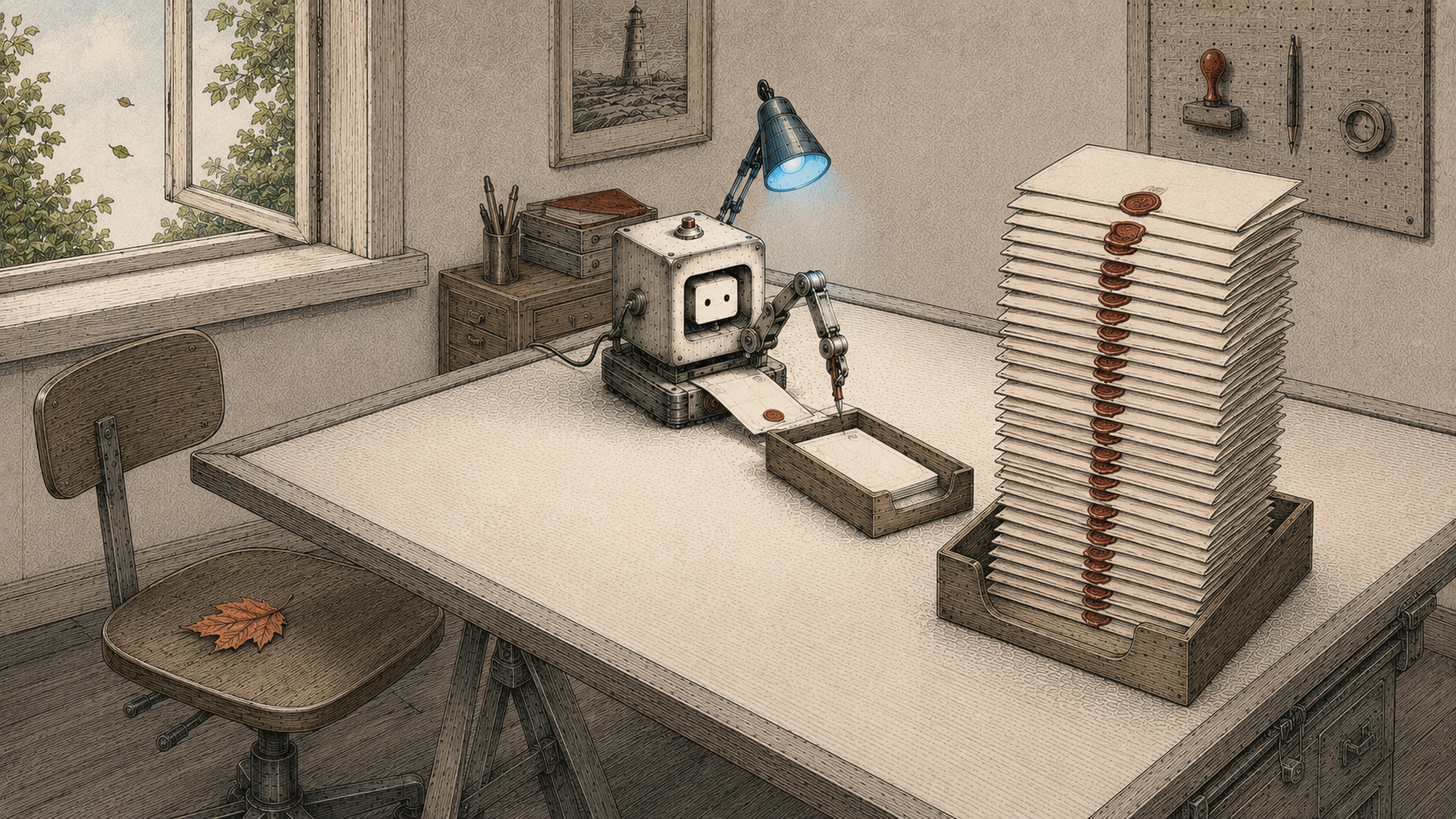
What the machine cannot do
One thing, though, I can already tell you with complete confidence, because no campsite is remote enough to change it.
The agents will keep producing. What stops the moment I close the laptop is everything that needs me: the judgement. Every finished pull request is going politely onto a pile right now, and the pile is doing what piles do. Nothing in the pipeline pauses because the machine needs me. It pauses exactly where it has paused since part one of this series: at the human with an opinion. I have automated the work. I have not yet automated myself, and the queue waiting on my return will be the most honest measurement of the difference I am ever likely to get.
I automated the work. I have not yet automated myself (yet).
The part for people who run something
If you own a company, an agency or a team, you run your own version of this experiment every summer, and you know the classic result: everything waits for you. The interesting thing about agents is not that they change that. It is that they make it precise.
Before, "everything waits for me" was a feeling, spread invisibly across meetings, decisions and half-finished things. Now it is a countable queue of finished proposals with my name on them. The agents did not remove the key-person risk in my business. They are photographing it, in high resolution, while I sit by a tent. That sounds like bad news, but it is the useful kind: you cannot fix a bottleneck you cannot see, and most owners have never seen theirs this clearly.
The production side of this problem is now cheap to solve; the last two posts covered how cheap. What remains scarce is exactly what was scarce before the holiday: people whose judgement you trust enough to let them empty the pile while you are gone. For a company of one, that is a to-do item with some existential flavour to it. For a team, it is simply the case for training a second reviewer before summer does this to you.
The agents did not remove the key-person risk. They are photographing it.
What's next
The next post is the field report. What the two epics actually became, whether the ping came and what it interrupted, what stayed politely open, and what the pile looked like when I walked back into the office with a suitcase in one hand. I know as little as you do right now, which I admit is a strange thing for this series to say out loud. See you on the other side of the pile.
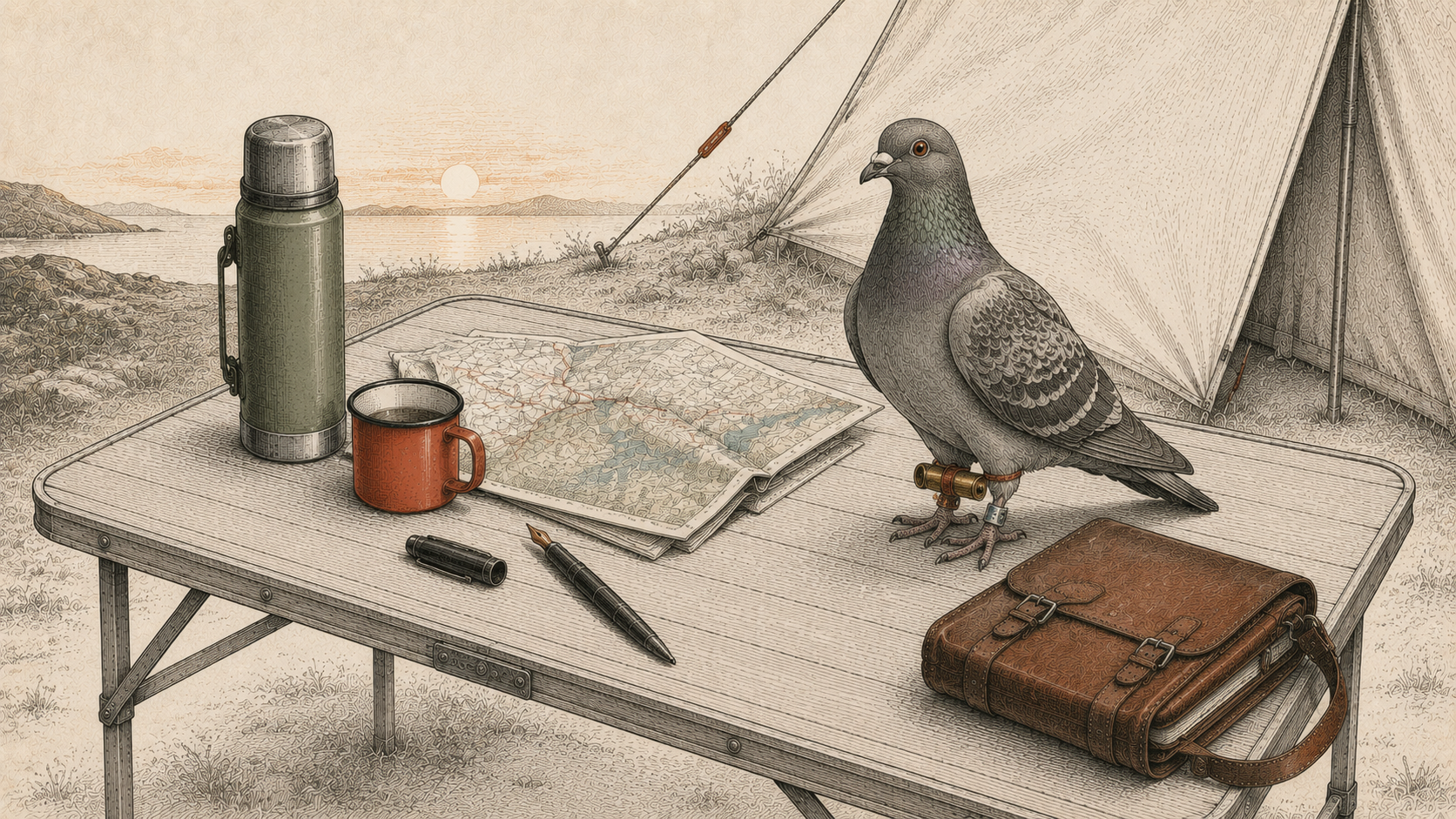
In this series
This post is part of the Disruptive AI series.
 Daniel Plomp
- I watched a developer admit AI killed his business model. Here's why I'm not worried.
- I'm Living the AI Disruption Everyone's Warning About
- The hidden signs you're addicted to AI and why it's different
- The AI productivity trap: why your brain can't keep up with your tools
- Drag a label, get a pull request
- The agent cannot ask questions
- The architecture fits on a beer mat
- The meter is not running
- Out of office ← You are here