The hidden signs you're addicted to AI and why it's different
I caught myself refreshing Claude Code at 12 AM last Tuesday. Not for work. Not for anything urgent. Just checking if it was back online after a brief outage. That's when I realized I might have a problem. Well, sort of. Calling it a "problem" feels a bit black and white to me. But that moment of...

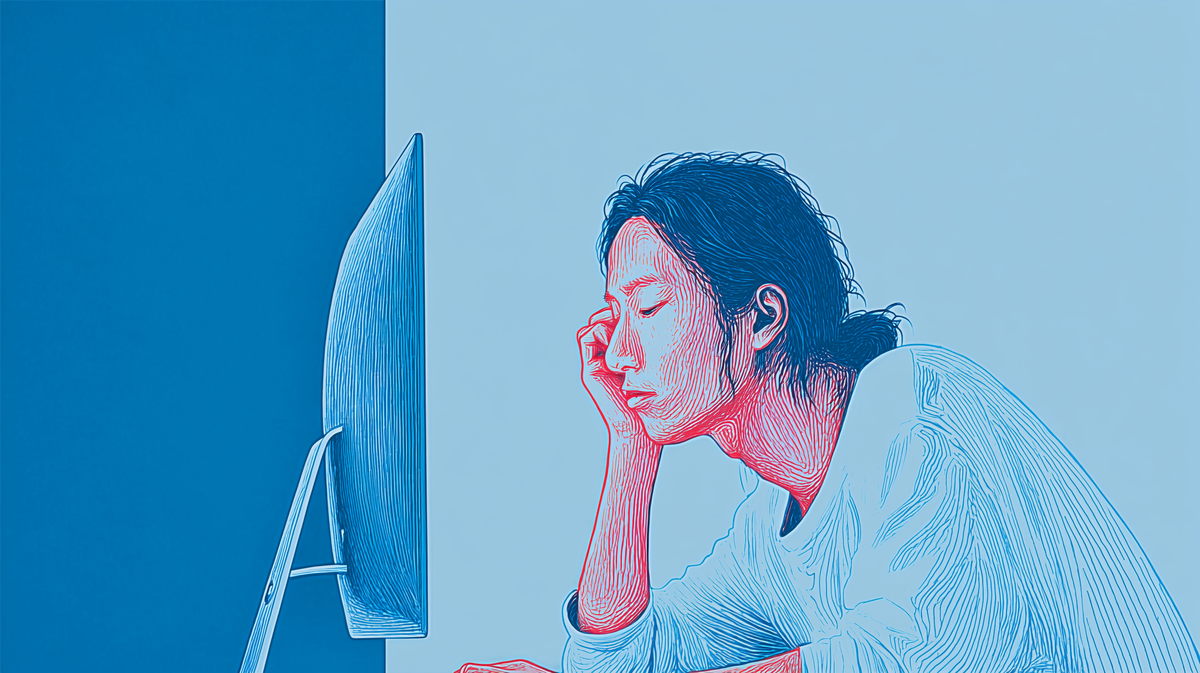
I caught myself refreshing Claude Code at 12 AM last Tuesday. Not for work. Not for anything urgent. Just checking if it was back online after a brief outage.
That's when I realized I might have a problem.
Well, sort of. Calling it a "problem" feels a bit black and white to me. But that moment of checking for an AI tool at 12 AM? That made me think about our relationship with these systems in a new way.
The thing is, I felt productive. I was getting stuff done. Unlike scrolling Instagram or binging Netflix, my AI usage looked responsible from the outside. Professional, even. But something felt wrong when I couldn't access it for twenty minutes.
Turns out there's a name for what I was experiencing. Researchers are calling it Generative Artificial Intelligence Addiction Syndrome (GAID). And it's different from every other tech addiction we've seen before.
Why AI addiction flies under the radar
Most digital addictions are obvious. Social media addiction looks like endless scrolling. Gaming addiction involves missing sleep and social obligations. But AI addiction disguises itself as productivity.
You're not wasting time. You're writing better emails. Creating presentations faster. Solving complex problems. Your boss loves your output. Your clients are impressed. From every external measure, you're crushing it.
This makes AI addiction particularly sneaky. Unlike passive consumption of digital content, AI tools create what researchers describe as "effortless achievement." You experience the dopamine hit of accomplishing something meaningful without the usual cognitive effort required.
The problem isn't the tool itself. Your brain starts craving these effortless wins. And gradually, tasks that used to feel manageable without AI assistance become overwhelming. Your cognitive muscles weaken while your productivity metrics soar.
The warning signs nobody talks about
Traditional addiction markers don't apply here. You're not neglecting responsibilities or hiding shameful behavior. If anything, you're more responsible and productive than ever. So the warning signs are subtle.
Here's what I've noticed in myself and others:
- The validation loop
You find yourself asking AI to confirm ideas you already believe. Not for new information, but for that little dopamine hit of having your thoughts validated by an intelligent system. - Hidden usage creep
You minimize AI chat windows when colleagues walk by, even though you're doing legitimate work. Something about the extent of your reliance feels slightly embarrassing. - Human input feels insufficient
Feedback from colleagues, friends, or family starts feeling less satisfying than AI responses. Real people give messy, incomplete input. AI gives structured, comprehensive feedback that hits your productivity buttons just right. - Anxiety when unavailable
Server outages or connectivity issues create genuine stress disproportionate to the inconvenience. You feel stuck rather than just temporarily slowed down. - Task inflation
You unconsciously take on more complex projects because AI makes them feel manageable. But without AI support, you're committed to work beyond your actual capabilities.
I experienced all of these. The validation loop was particularly sneaky. I'd draft emails, get AI feedback, implement suggestions, then ask for confirmation that the revision was better. Pure dopamine farming disguised as professional development.
The co-creation trap
AI addiction is unique because of the collaborative relationship. You're not consuming content passively. You're creating together. This active partnership creates stronger psychological bonds than any previous digital tool.
When you scroll social media, you know you're being entertained. When you game, you know you're playing. But when you work with AI, you feel like you're achieving genuine intellectual growth. The line between your capabilities and the AI's becomes blurred.
This collaborative illusion is powerful. You experience flow states that feel earned but required minimal effort. Your brain gets addicted to the output and to this false sense of enhanced capability.
Over time, your tolerance builds. Tasks that once gave you satisfaction when completed solo now feel tedious without AI assistance. You need increasingly sophisticated AI help to feel that same sense of accomplishment.
Why this matters more than other digital addictions
Passive digital addictions steal your time. AI addiction steals your cognitive independence.
Social media addiction makes you less social. Gaming addiction makes you less physically active. But AI addiction makes you less intellectually capable while convincing you that you're becoming more capable.
This creates a dangerous feedback loop. The more you rely on AI for cognitive tasks, the less confident you become in your unaugmented abilities. But since your AI-assisted output is impressive, you have external validation that you're performing well. The addiction reinforces itself through positive outcomes.
I notice this in my writing. Without AI assistance, my first drafts feel clunky and incomplete. Not because my writing skills have actually deteriorated, but because my brain has recalibrated its expectations based on AI-enhanced output. What used to feel like solid work now feels inadequate.
The withdrawal problem at work
Traditional digital detoxes don't work for AI addiction because the tools are often required for professional responsibilities. You can delete Instagram. You can't ignore emails that need responses or presentations that need creating.
This creates a unique withdrawal challenge. Unlike other behavioral addictions, complete abstinence isn't practical. You need to develop a controlled relationship with something that's designed to be compelling and is professionally advantageous to use.
The withdrawal symptoms are subtle but real. Tasks feel unnecessarily difficult. Creative thinking feels sluggish. Decision-making becomes exhausting. But since these are cognitive rather than physical symptoms, they're easy to dismiss as normal work stress.
Building a healthier relationship
Recovery from AI addiction isn't about elimination. It's about maintaining your cognitive independence while still benefiting from AI assistance.
- Set capability boundaries
Regularly complete tasks without AI help to maintain your baseline skills. I now write one article per week completely solo, even if it takes longer and feels less polished. - Track usage honestly
Most people dramatically underestimate their AI interaction time. Use screen time tracking or browser extensions to get accurate data. I was shocked to discover I was spending three hours daily in various AI interfaces. - Practice discomfort tolerance
When tasks feel difficult without AI assistance, sit with that discomfort instead of immediately reaching for help. Your brain needs to remember that cognitive effort is normal and valuable. - Seek human feedback
Deliberately ask colleagues and friends for input on work that AI could easily review. Human perspective remains irreplaceable, even if it's less immediately satisfying. - Create AI-free zones
Designate specific times or tasks as completely off-limits to AI assistance. Protect your creative thinking and problem-solving skills by regularly exercising them independently.
The goal isn't to avoid AI tools. It's to maintain the cognitive flexibility to work effectively with or without them. Your future self will thank you for preserving that independence.
What healthcare providers need to know
If you work with professionals, students, or knowledge workers, watch for the productivity paradox. High-performing individuals who become anxious or defensive about their AI usage may be developing problematic dependencies.
Unlike traditional digital addictions, AI addiction often correlates with increased professional success rather than decreased functioning. This makes it harder to recognize and intervene.
The treatment approach needs to focus on cognitive independence rather than productivity reduction. Traditional addiction frameworks that emphasize harm reduction may not apply when the addictive behavior produces genuine professional benefits.
Look for signs of cognitive inflexibility, over-reliance on external validation, and anxiety around tool availability rather than traditional addiction markers like neglected responsibilities or social isolation.
AI addiction represents a new category of behavioral dependency that our existing frameworks aren't equipped to handle. It's the first addiction that makes you more capable in the short term while potentially undermining your long-term cognitive independence.
The scariest part isn't that AI tools are addictive. AI addiction looks like success from the outside. By the time you recognize the problem, you may have already structured your professional life around capabilities that aren't entirely your own.
But awareness is the first step. If you found yourself nodding along to the warning signs, you're not broken. You're human. These tools are designed to be compelling, and our brains are wired to seek efficiency.
The question isn't whether you'll use AI tools. It's whether you'll maintain the cognitive independence to thrive with or without them.
Your brain deserves that flexibility.
Read more about AI
 Daniel Plomp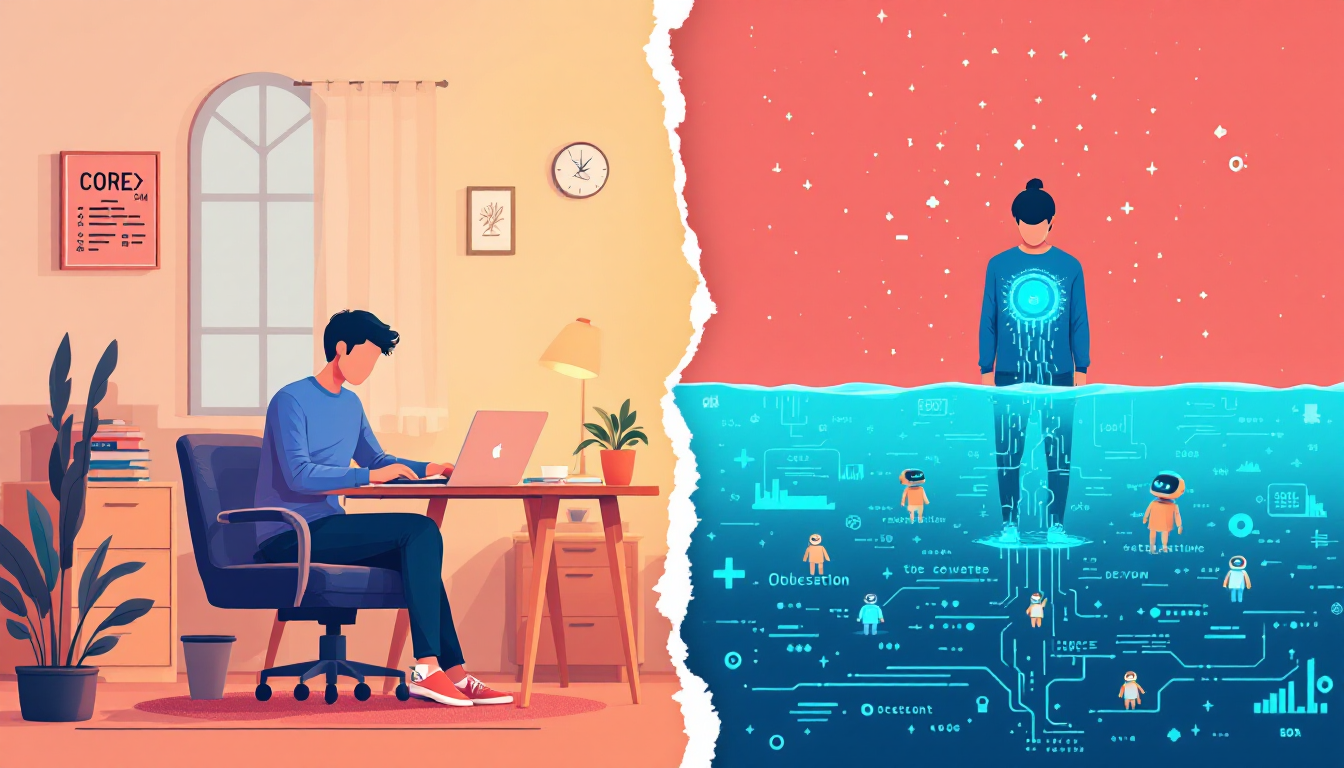
I offer hands-on consulting to help you resolve technical challenges and improve your CMS implementations.
Get in touch if you'd like support diagnosing or upgrading your setup with confidence.