
Building Expensio
A small expense tool, built deliberately simple.
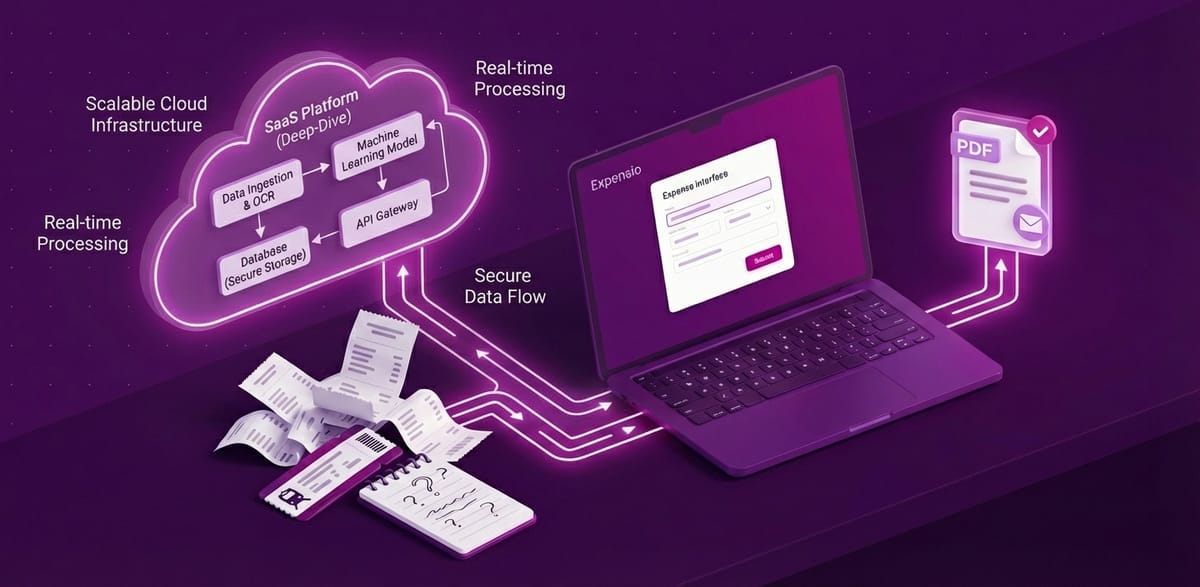
Expensio started as a small frustration.
I needed a simple way to create clean expense claims — sometimes as a private person,
sometimes for my company. No invoices, no accounting software, just a clear overview
I could send by email.
I couldn’t find a tool that did exactly that, so I built one.
This page collects a short series of articles about building Expensio:
the product decisions, trade-offs, and lessons learned while keeping
a deliberately small tool focused and production-ready.
1. Why I built Expensio
How a small personal frustration turned into a focused expense tool for freelancers and small businesses.
 Daniel Plomp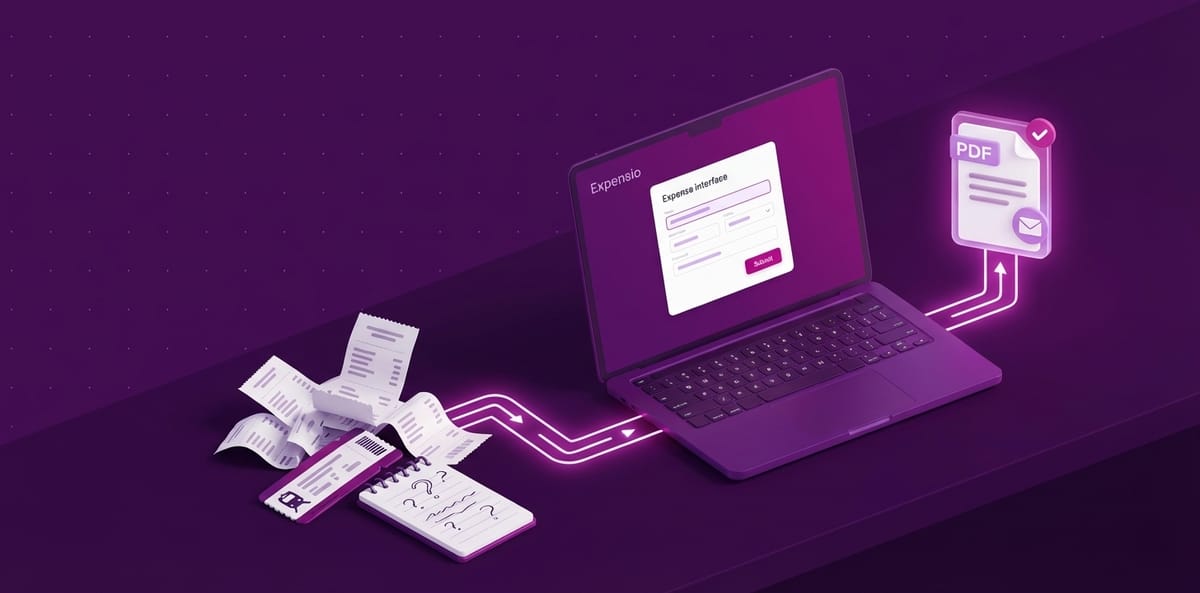
2. Designing a straight-line UX
Why Expensio was designed around a single, predictable flow — and how avoiding side paths reduced friction.
 Daniel Plomp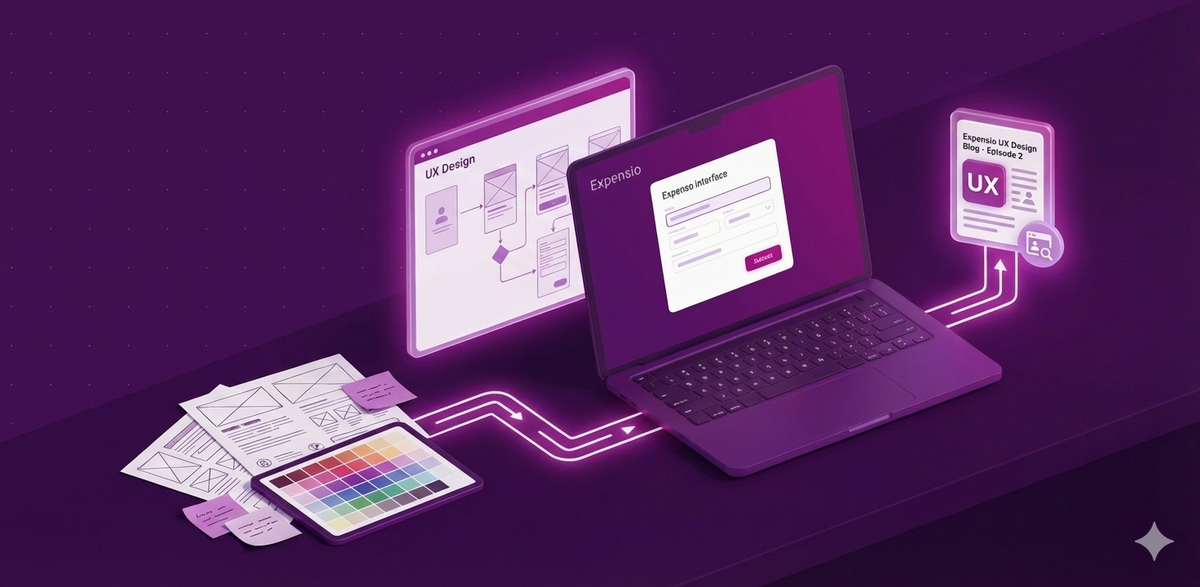
3. What I chose not to build
The discipline of saying no, resisting feature bloat, and keeping a product intentionally small.
 Daniel Plomp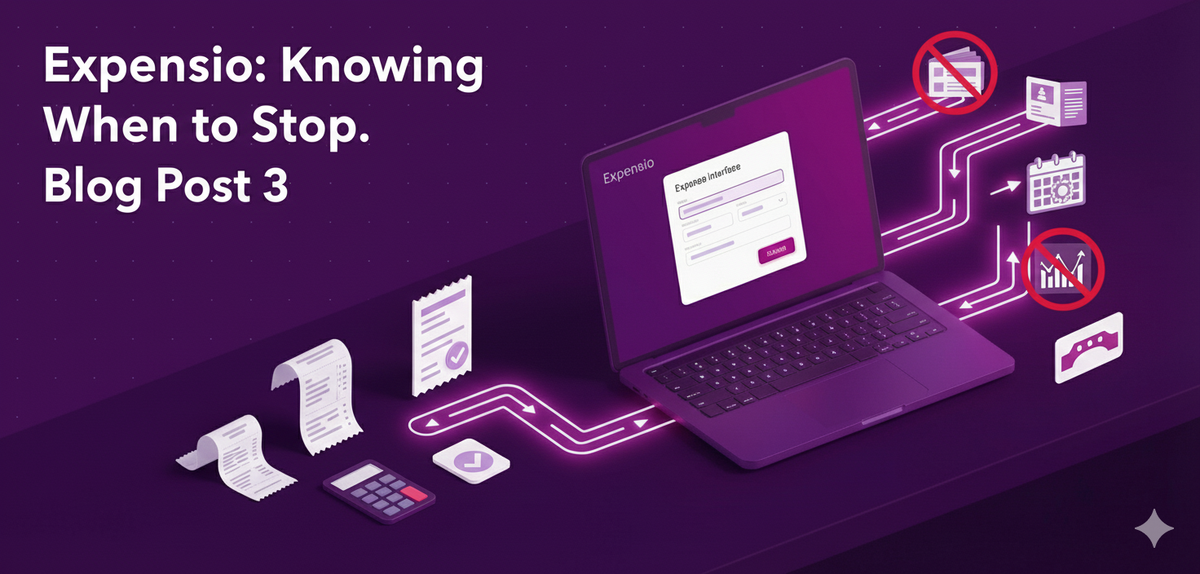
4. What changed after real users started using Expensio
How real-world usage sharpened the product without expanding its scope — and what user feedback actually taught me.
 Daniel Plomp
Expensio is now almost a finished product in the sense that it’s stable,
predictable, and intentionally scoped.
It will continue to evolve — but always by sharpening the core,
not expanding it.
If you’re interested in how small tools grow without turning into
overengineered systems, this series reflects how I approach that balance.
If you want to know more, let me know!