What changed after real users started using Expensio
After shipping Expensio, real user feedback didn’t add more features—it removed friction. Small fixes, better defaults, and one carefully chosen addition sharpened the product without changing its core.

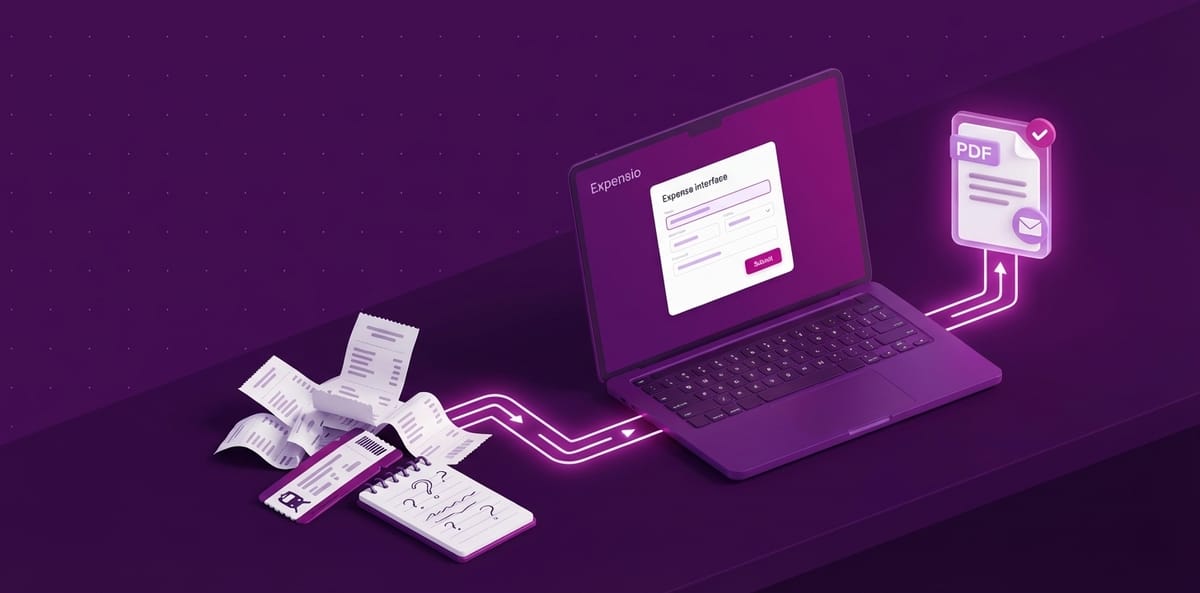
When I first shipped Expensio, I thought most of the work was done.
The core flow was there, the product felt complete, and the scope was intentionally tight.
Then real users started using it.
Not in theory.
Not in demos.
But in their daily workflows.
That’s when things actually became interesting.
Feedback isn’t about features — it’s about friction
The biggest surprise wasn’t feature requests.
It was how much value came from small corrections:
- tiny bugs that only appear in real usage
- small UX adjustments that removed hesitation
- ideas that made entering expenses just a little faster
None of these changed what Expensio does.
They changed how smooth it feels to use.
That reinforced an important lesson for me:
good feedback doesn’t ask for more — it highlights friction.
When “too much” turns out to be necessary
One addition I initially resisted was templates.
At first glance, templates felt like scope creep.
Expensio was meant to be simple — why add another abstraction?
But after seeing users repeatedly enter the same types of expenses, the pattern was obvious:
- same category
- same contact
- same amounts or VAT setup
Templates didn’t add complexity to the product.
They removed repetition from the workflow.
Once I reframed them as a speed feature rather than a power feature, the decision became easy.
Saying no is still part of the job
Just as important were the things I chose not to build.
Some users asked for:
- an extensive API
- highly specific, per-user automation
- storing default units or categories per workflow
All reasonable requests — but each of them would pull Expensio away from its core.
Instead of asking “does this make sense?”, I kept asking:
does this make the core flow clearer, or just bigger?
If the answer was “bigger,” it stayed out.
The product didn’t change — its edges did
What surprised me most is this:
Expensio didn’t fundamentally change after user feedback.
The core stayed the same:
- add expenses
- bundle them
- export a clean PDF
What changed were the edges:
- fewer rough spots
- faster entry
- better defaults
- clearer feedback
That’s where real maturity comes from.
When is a product “done”?
I don’t think software is ever truly finished.
But I do think it can become complete — meaning:
- stable
- predictable
- intentional
For Expensio, that moment came when feedback stopped pushing the product outward and started sharpening it inward.
That’s the balance I’m trying to keep.
If you want to read the whole series on this journey, checkout this page:
 Daniel Plomp

I offer hands-on consulting to help you resolve technical challenges and improve your CMS implementations.
Get in touch if you'd like support diagnosing or upgrading your setup with confidence.